

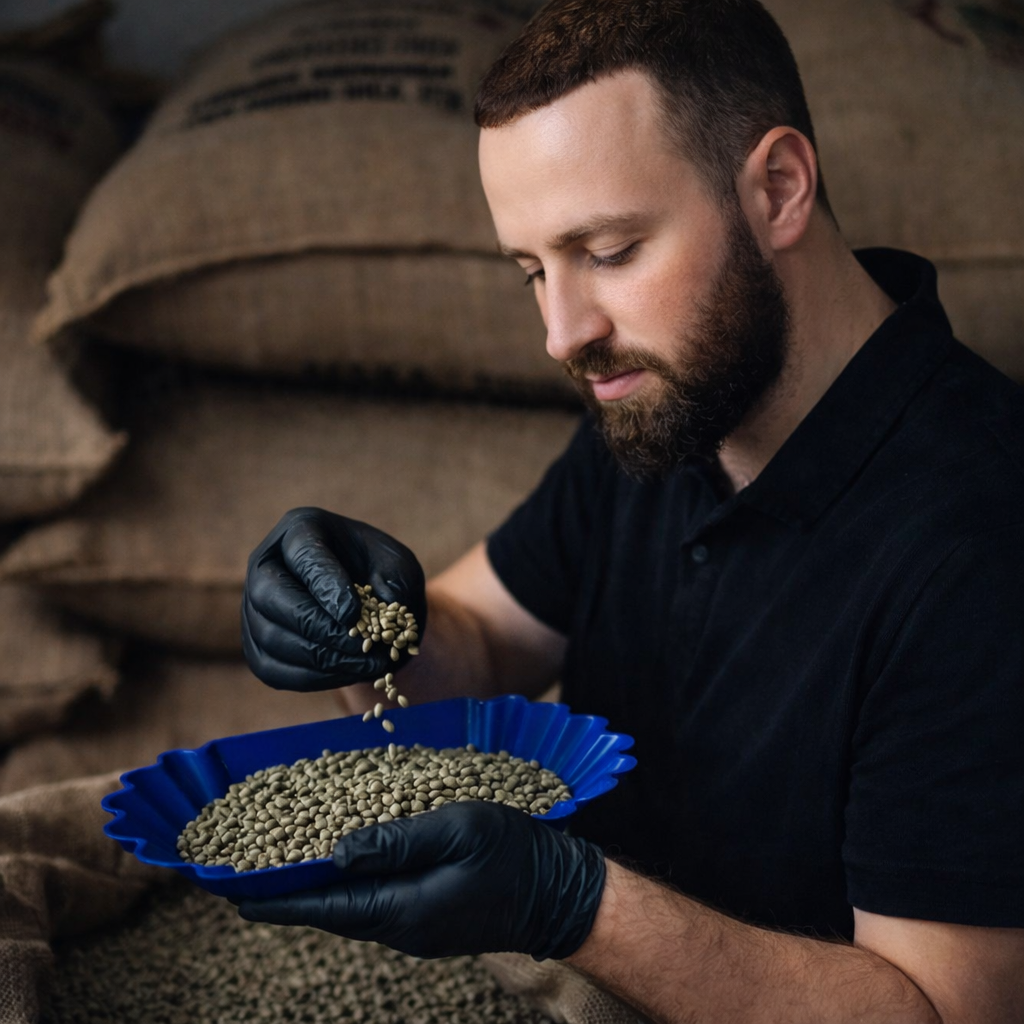
Roasting and storing coffee beans properly is essential for preserving freshness, aroma, and flavor.
Freshly roasted coffee beans are the foundation of exceptional coffee. Whether you run a specialty coffee shop like DIPRESSO or simply enjoy brewing at home, understanding how to properly roast and store coffee beans ensures better flavor, aroma, and quality. Poor roasting or incorrect storage can quickly ruin even the highest-grade beans.
In this guide, we’ll explore 10 safe and effective ways to roast coffee beans and store them properly to maintain freshness and taste.
1. Start with High-Quality Green Coffee Beans
The roasting process can only enhance what already exists in the bean. Always source premium-grade green coffee beans from reputable suppliers. Look for beans that are uniform in size, free from defects, and properly processed. Specialty-grade Arabica beans typically provide more complex flavor profiles.
2. Use the Right Roasting Equipment
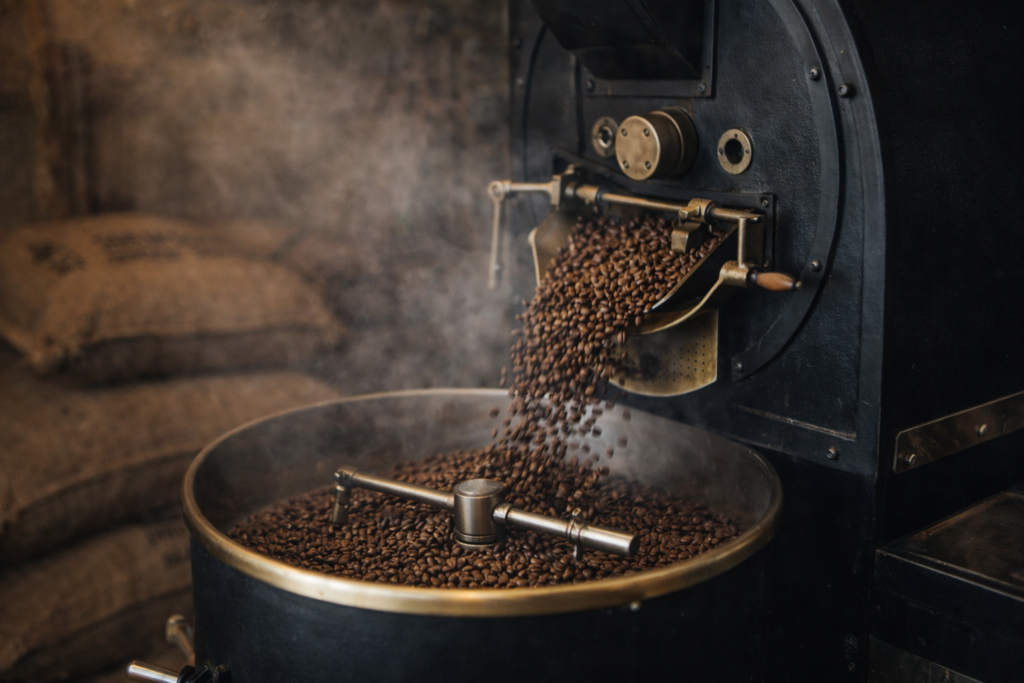
Consistency is key in coffee roasting. Whether you’re using a commercial drum roaster, fluid bed roaster, or a small batch home roaster, make sure your equipment maintains stable temperature control. Uneven heat distribution can cause underdeveloped or burnt flavors.
For coffee businesses, investing in professional roasting equipment ensures quality control and consistent results.
3. Monitor Temperature Carefully
Temperature directly impacts flavor development. Coffee beans usually roast between 180°C and 240°C (356°F–464°F).
- Light roast: Preserves acidity and origin flavors
- Medium roast: Balanced sweetness and body
- Dark roast: Bold, smoky, and intense
Always track bean temperature rather than just relying on time. Precision creates consistency.
4. Listen for the First and Second Crack
Roasting coffee is not only visual—it’s auditory. The “first crack” indicates the beans are expanding and entering light roast territory. The “second crack” signals darker roasting levels.
Stopping the roast at the right stage prevents burnt flavors while preserving the bean’s natural characteristics.
5. Cool Beans Immediately After Roasting
Once roasting is complete, cool the beans quickly to stop the cooking process. Leaving beans in a hot drum can overdevelop them. Professional cooling trays with airflow are ideal, but even at home, spreading beans on a metal tray helps accelerate cooling.
Rapid cooling protects flavor clarity.
6. Allow Proper Degassing
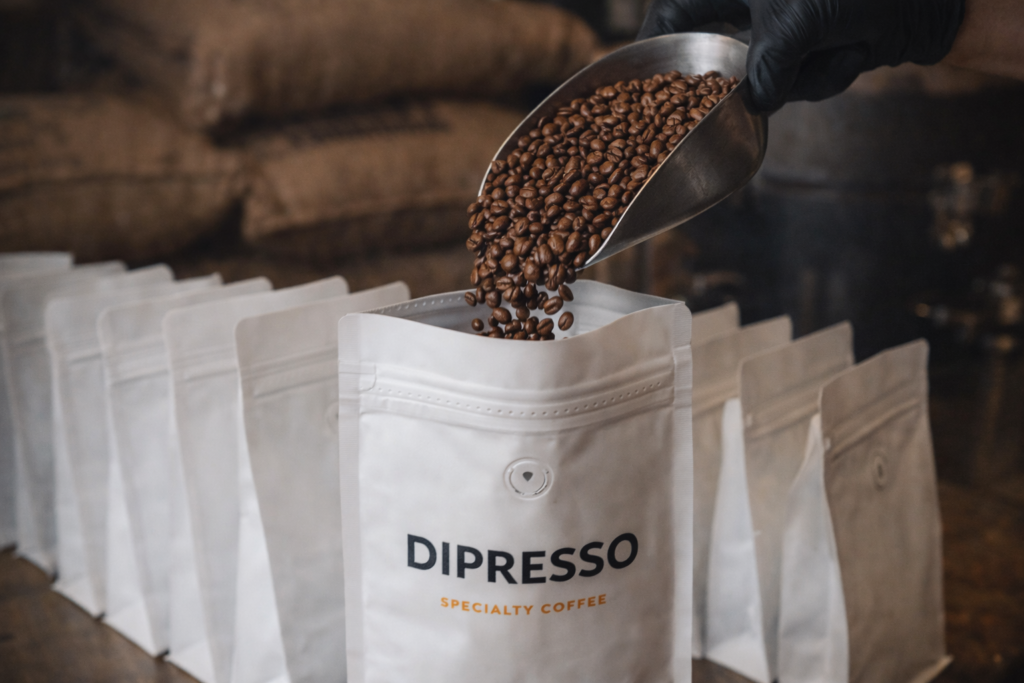
Freshly roasted coffee beans release carbon dioxide for several days. This process is called degassing. Store roasted beans in containers with one-way degassing valves to allow gas to escape without letting oxygen in.
For espresso, beans are often best used 3–7 days after roasting.
7. Store Coffee Beans in Airtight Containers
Oxygen is the enemy of fresh coffee beans. Exposure to air causes oxidation, leading to stale and flat flavors. Use airtight containers made of stainless steel, ceramic, or opaque glass.
Avoid clear containers unless stored inside a dark cabinet.
8. Protect Coffee from Light, Heat, and Moisture
Coffee beans are sensitive to environmental conditions. Store them in a cool, dry place away from direct sunlight, ovens, or humid areas. The ideal storage temperature is room temperature (around 20–25°C).
Never store coffee beans near strong odors, as they can absorb surrounding smells.
9. Avoid Refrigeration (Unless Long-Term Freezing)
Many people think storing coffee beans in the refrigerator keeps them fresh. In reality, refrigeration introduces moisture and odor contamination. Only freeze coffee beans if you need long-term storage, and divide them into airtight portions before freezing.
Once removed from the freezer, do not refreeze the beans.
10. Grind Only Before Brewing
Whole coffee beans stay fresh longer than ground coffee. Grinding increases surface area, accelerating oxidation. For maximum flavor, grind your coffee immediately before brewing.
Using high-quality burr grinders ensures uniform grind size and better extraction.
DIPRESSO Roast is where precision meets passion — unlocking bold aroma, balanced flavor, and unforgettable character in every bean.
Why Proper Roasting and Storage Matter
Correct roasting and storage preserve the essential oils, aromatic compounds, and complex flavor notes in coffee. Whether serving customers in a specialty café or brewing at home, these practices directly impact:
- Aroma intensity
- Flavor clarity
- Sweetness and balance
- Crema quality (for espresso)
- Overall customer experience
Fresh coffee beans can transform an ordinary cup into a premium coffee experience.
Final Thoughts
Mastering how to roast and store coffee beans safely is essential for maintaining quality and freshness. From selecting premium green beans to using airtight storage containers, each step plays a crucial role in preserving flavor.
By following these 10 safe methods, you can ensure your coffee remains vibrant, aromatic, and full of character—exactly how specialty coffee should taste.
If you are building a premium coffee brand, consistency in roasting and storage is not optional—it’s the foundation of excellence.


1 Comment